

Most people do not know they need a filling until their dentist tells them. That is not a problem – many cavities grow slowly and quietly, without any pain or visible signs. But your mouth does give you hints. Learning to spot those hints early can help you get treatment before a small issue turns into a big one.
If you have been putting off a dental visit, knowing the signs that point toward dental fillings in NE Calgary is a smart place to begin.
What Is a Dental Filling and Why Does It Matter?
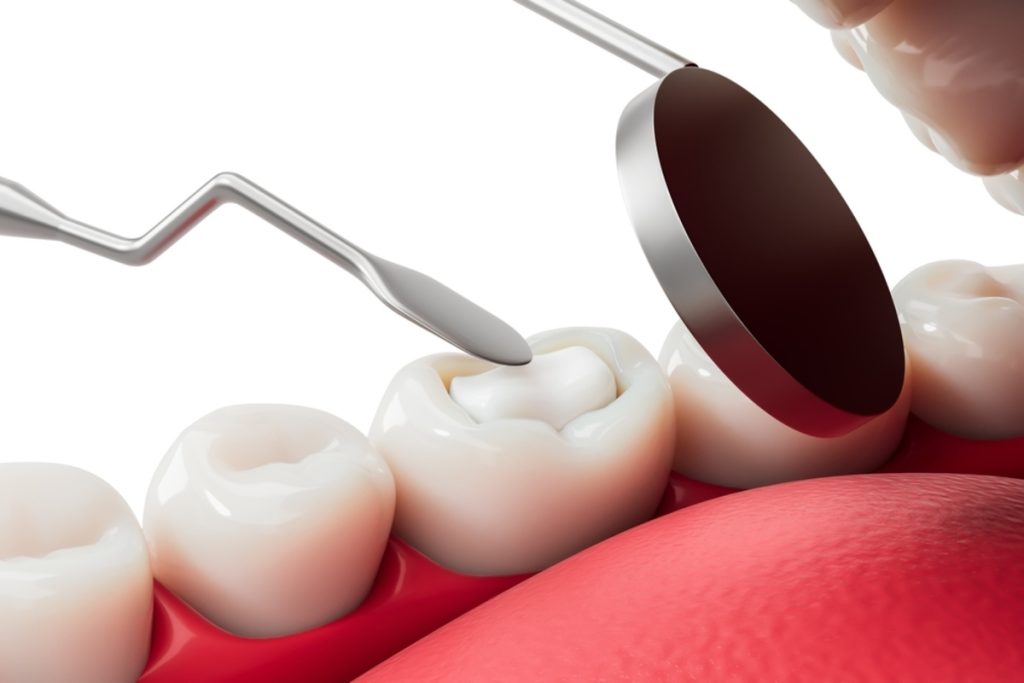
A dental filling is a material that a dentist uses to repair a tooth damaged by decay. When bacteria in your mouth feed on sugar, they produce acid. That acid slowly eats through the hard outer layer of the tooth-the enamel-and creates a hole called a cavity. A filling removes the damaged part and seals the hole to stop things from getting worse.
Here is the important part: a cavity does not stop growing on its own. It gets bigger and deeper over time. A small problem that a filling could fix today can turn into something much more serious if left alone – like a root canal, a crown, or even losing the tooth altogether.
Seeing a dentist in NE Calgary as soon as you notice something is off is always the better choice.
Sign 1: A Tooth That Stays Sensitive After Eating or Drinking
It is normal for teeth to feel a little sensitive sometimes. But if one tooth hurts or aches for several seconds – or even a minute or two – after eating or drinking something cold, hot, sweet, or sour, that is worth paying attention to.
This kind of lasting sensitivity usually means the decay has moved past the enamel into the softer layer underneath, called dentin. Dentine has tiny tubes that connect directly to the nerve of the tooth. When those tubes are exposed, the nerve reacts strongly to things like temperature and sugar.
If one specific tooth keeps bothering you when you eat or drink, do not brush it off. That is one of the clearest signs that something may be wrong.
Sign 2: A Hole, Dark Spot, or Change You Can See
Sometimes a cavity becomes visible. You might notice:
- A small pit or hole on the surface of a tooth
- A dark brown or black spot that was not there before
- A chalky white patch on the enamel – an early warning sign
- A rough or chipped edge that appeared on its own, without any injury
Any change in the look of a tooth that develops slowly – rather than from a knock or fall -deserves a proper check-up.
Keep in mind that many cavities form between teeth where you cannot see them. But when something looks different, and you are not sure why, it is always worth getting it looked at.
Sign 3: A Toothache That Comes and Goes on Its Own
A toothache that shows up without any reason-not from eating, not from drinking—is a more urgent sign. This kind of pain means the decay has gone deeper into the tooth.
If the pain is mild and only happens occasionally, a filling may still be all that is needed. If the pain is strong, constant, or throbbing, the decay may have already reached the centre of the tooth, where the nerve lives. At that point, a root canal may be needed instead of a simple filling.
Either way, pain that keeps coming back from one specific tooth is your body telling you something is wrong. Seeing a dentist near you sooner rather than later keeps more treatment options open.
Sign 4: Food Keeps Getting Stuck in the Same Spot
If food suddenly starts getting stuck between two specific teeth – and this is something new, not something that has always happened – it could mean decay has changed the surface of the tooth.
Cavities that form on the sides of teeth are very common. They develop where teeth touch each other, in the tight spaces that only floss can reach. When decay creates a small dip or rough edge, food catches there more easily than before.
You may also notice that your gum in that spot feels tender or bleeds when you floss. That is a sign the area is irritated and needs attention.
Sign 5: A Rough or Sharp Edge You Can Feel With Your Tongue
Your tongue is very good at picking up changes in your mouth. If you feel a rough patch, a sharp edge, or an area that feels uneven-and nothing hit your tooth-it could be decay breaking down the tooth from the inside.
Sometimes a section of tooth that has been weakened by decay breaks off under normal chewing pressure. This happens most often on the back teeth, where you do most of your chewing.
Run your tongue across your teeth every now and then. If something feels different from how it used to, mention it at your next dental visit.
What Happens If You Wait Too Long?
This is the part that surprises many people. A cavity does not stay small while you wait for a good time to book an appointment. It keeps growing.
Here is what can happen when a cavity is left alone:
- The decay moves deeper and causes more sensitivity and pain
- It reaches the nerve inside the tooth
- An infection can develop, sometimes spreading into the jaw or face
- The tooth may need a root canal, a crown, or removal – all of which cost more and take longer than a filling
- What was a 30-minute fix becomes a much bigger situation
A filling is one of the quickest and most affordable dental treatments available. Getting it done early keeps it simple.
When Should You Look for Dental Fillings Near You?
You do not need to be in pain to book an appointment. In fact, the best time to get a filling is before the pain starts.
If you have noticed any of the signs in this blog – sensitivity, a visible change, a toothache, food getting stuck, or a rough edge – it is a good idea to get it checked out. Even if you are not sure whether it is serious, a dental exam will give you a clear answer.
Patients looking for dental fillings near you should choose a practice where the dentist explains what they find, shows you the evidence, and gives you a clear plan before any treatment begins.
Do Not Wait for the Pain-Visit Dr. Brent MacDonald Dentistry
Your mouth is trying to tell you something. The five signs in this blog are its way of asking for help. Acting on them early is one of the simplest and most practical things you can do for your long-term health.
At Dr. Brent MacDonald Dentistry, the team takes the time to explain everything clearly and make sure every patient feels comfortable and informed. If you have noticed any of these signs, book your appointment today. The earlier you come in, the easier the fix tends to be.
Frequently Asked Questions
Can a cavity just heal and go away on its own and not need a filling?
Fluoride and good brushing technique can halt or reverse the progression of a very early cavity, but once the tooth structure is compromised enough to become a hole, it will not fill itself in without a dental filling.
How long does it take to get a filling?
Most fillings take between 30 and 60 minutes, all in one appointment. The time depends on how big the cavity is and where it sits in the mouth.
Do fillings last forever?
No, but they do last a long time. Most fillings last between 7 and 15 years, depending on the material. Your dentist will check them at each visit and let you know if one needs to be replaced.
Is it normal for a tooth to feel sensitive after a filling?
Yes, this is very common. A little sensitivity to heat, cold, or pressure in the first week or two after a filling is normal and usually goes away on its own. If it does not improve, call your dentist.
