

Losing a tooth can affect more than just your smile. It can change the way you chew, the way you speak, and even the shape of your face over time. A dental bridge is one of the most common and reliable ways to fill that gap.
If you have been looking into dental bridges in NE Calgary, you might be wondering what the process actually involves and what it feels like to go through it. This guide walks you through every step in plain, simple language.
What Is a Dental Bridge?
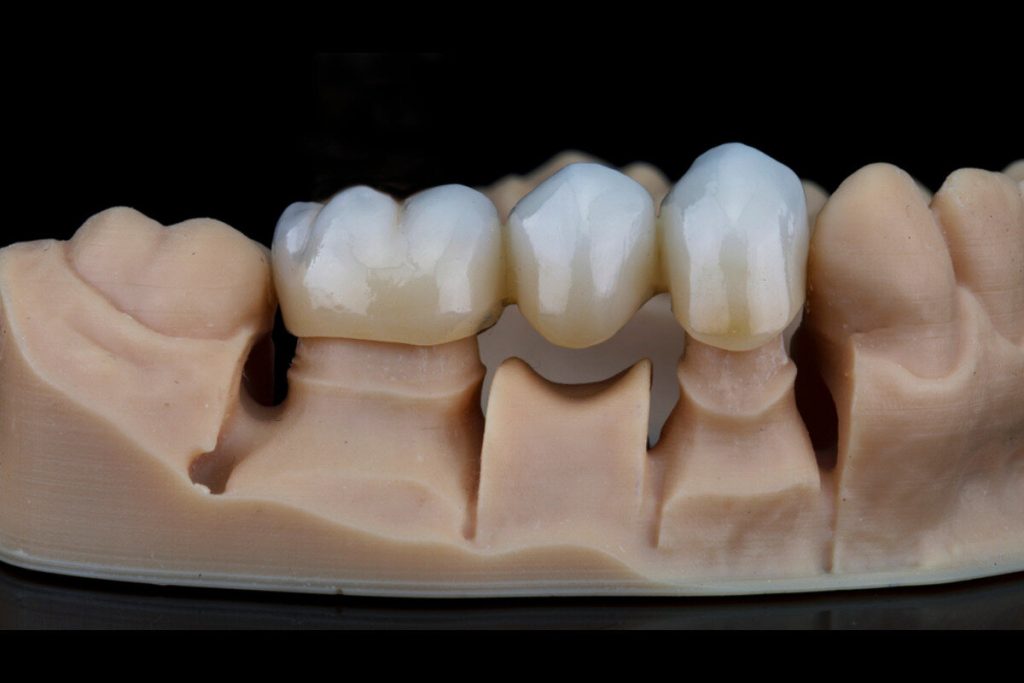
A dental bridge is a fixed restoration that fills the space left by one or more missing teeth. It works by anchoring an artificial tooth-called a “pontic”-to the natural teeth on either side of the gap. Those supporting teeth are called abutment teeth.
The result looks and functions like a natural tooth. You can eat, talk, and smile without worrying about a visible gap.
Bridges are fixed in place. Unlike dentures, you do not take them out at night. They are cemented permanently and cared for just like your natural teeth.
Why Do People Choose a Dental Bridge?
Patients looking for dental bridges near you usually want a solution that is reliable, looks natural, and does not require surgery.
A bridge is a good option when:
- One or more teeth are missing in a row
- The teeth on either side of the gap are strong and healthy enough to support the bridge
- You want a fixed restoration rather than a removable one
- You are looking for a less invasive alternative to dental implants
A dentist in NE Calgary will assess your teeth, gums, and bone before recommending whether a bridge is the right fit for your situation.
Step One: The First Appointment
The bridge process typically takes two appointments spread a couple of weeks apart.
At the first visit, your dentist will:
- Numb the area with a local anesthetic so you do not feel discomfort
- Gently reshape the two abutment teeth on either side of the gap so the bridge can fit over them properly
- Take an impression or a digital scan of your mouth – this is sent to a dental lab where your custom bridge is made
- Place a temporary bridge to protect the shaped teeth and fill the gap while you wait
The reshaping of the abutment teeth is a permanent change, so your dentist will explain this fully and make sure you are comfortable before proceeding.
Most people find the first appointment very manageable. The anesthetic does the hard work, and many patients feel only mild pressure during the procedure.
Between Appointments: What to Expect
While your permanent bridge is being made – which usually takes one to two weeks – the temporary bridge does an important job. It protects the shaped teeth and helps you eat and speak normally in the meantime.
During this period:
- Avoid very sticky or hard foods that could dislodge the temporary bridge
- Brush gently around the temporary restoration
- Floss carefully in the area – your dentist will show you the best way to do this
- Contact your dental office if the temporary bridge feels loose or comes off
Step Two: Placing the Permanent Bridge
The second appointment is shorter and more straightforward.
Your dentist will:
- Remove the temporary bridge
- Clean and prepare the abutment teeth
- Place the permanent bridge to check the fit, colour, and bite
- Make any small adjustments needed so everything feels comfortable
- Cement the bridge permanently into place
Once it is set, you will be asked to bite down so the dentist can confirm your bite feels natural and even. Most patients leave this appointment feeling immediate relief – the gap is gone, and the tooth feels solid.
Life After Your Bridge
Getting used to a new bridge usually takes only a few days. It may feel slightly different at first, but most people adjust quickly.
To keep your bridge in good shape for as long as possible:
- Brush twice a day with a soft toothbrush
- Use a floss threader or interdental brush to clean under the bridge – regular floss cannot reach this area on its own
- Avoid chewing on very hard foods like ice or hard sweets
- See a dentist near you for regular check-ups so the bridge and supporting teeth can be monitored
With good care, a dental bridge can last 10 to 15 years or longer.
Restore Your Smile With Confidence – Visit Dr. Brent MacDonald Dentistry
A missing tooth does not have to stay that way. A dental bridge is a simple, effective solution that restores both your smile and your ability to chew and speak comfortably.
At Dr. Brent MacDonald Dentistry, the team takes the time to make sure every patient understands their options and feels at ease throughout the process. If you have a gap you have been living with, book your consultation today and find out whether a dental bridge is the right solution for you.
Frequently Asked Questions
Will having a dental bridge be painful?
This is usually performed under local anesthetic, so most people feel little or no pain when at the dentist. A small amount of pain or sensitivity in the mouth is often experienced in the first few days after treatment, which subsides very quickly.
How long does a dental bridge last?
It is typically expected that an average bridge will last between 10 and 15 years, although this varies in some cases, particularly depending on the material, as long as good dental hygiene and regular checkups are maintained.
Can I eat normally with a dental bridge?
Yes. Once the permanent bridge is in place and you have adjusted to it, you can eat most foods normally. It is best to avoid very hard or sticky foods that could put extra stress on the bridge.
Is a dental bridge better than an implant?
Both are good options, but they work differently. A bridge does not require surgery and is often completed faster. An implant replaces the tooth root and does not involve the neighbouring teeth. Your dentist can help you decide which is the better fit based on your oral health and personal needs.
