
When a tooth has been badly damaged, decayed, or weakened, a filling alone is often not enough to protect it. That is where dental crowns come in. Patients looking into dental crowns in NE Calgary are usually at a point where their tooth needs more than a simple fix — they need a restoration that covers, strengthens, and protects the entire tooth.
This blog explains exactly what dental crowns do, when they are needed, and what the process looks like from start to finish.
What Is a Dental Crown?
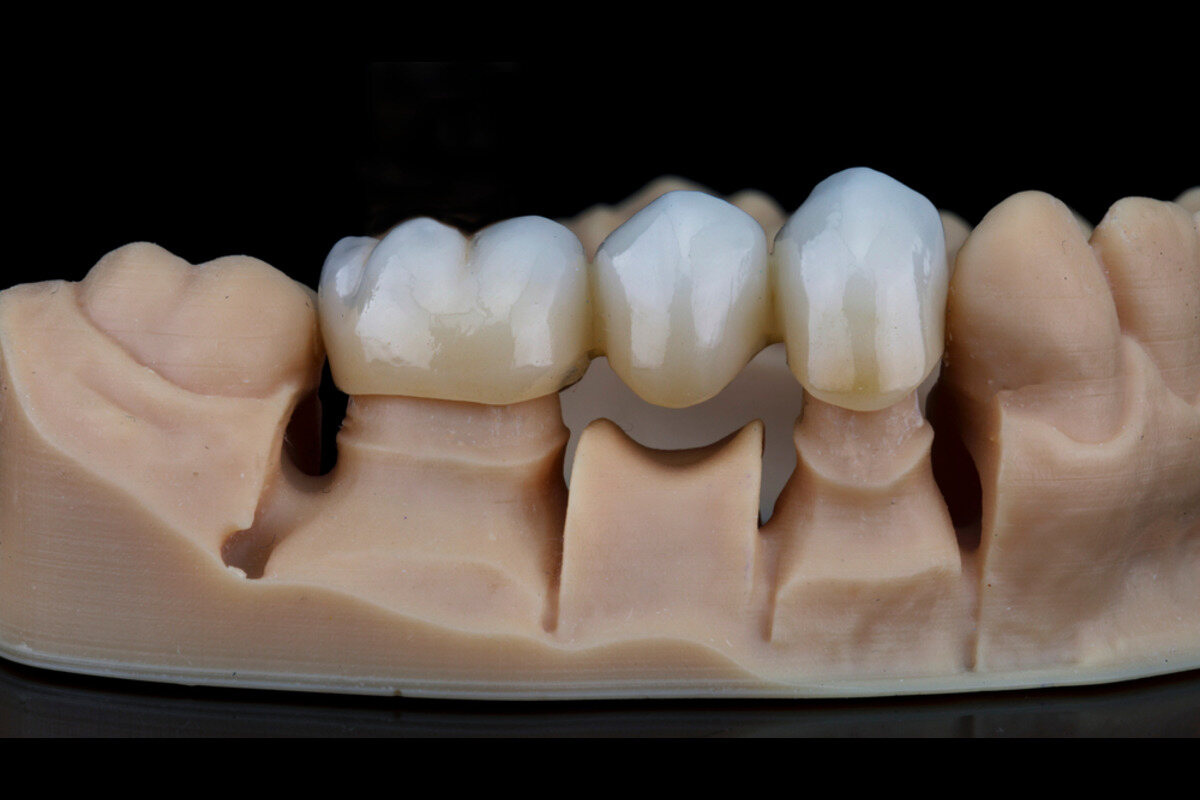
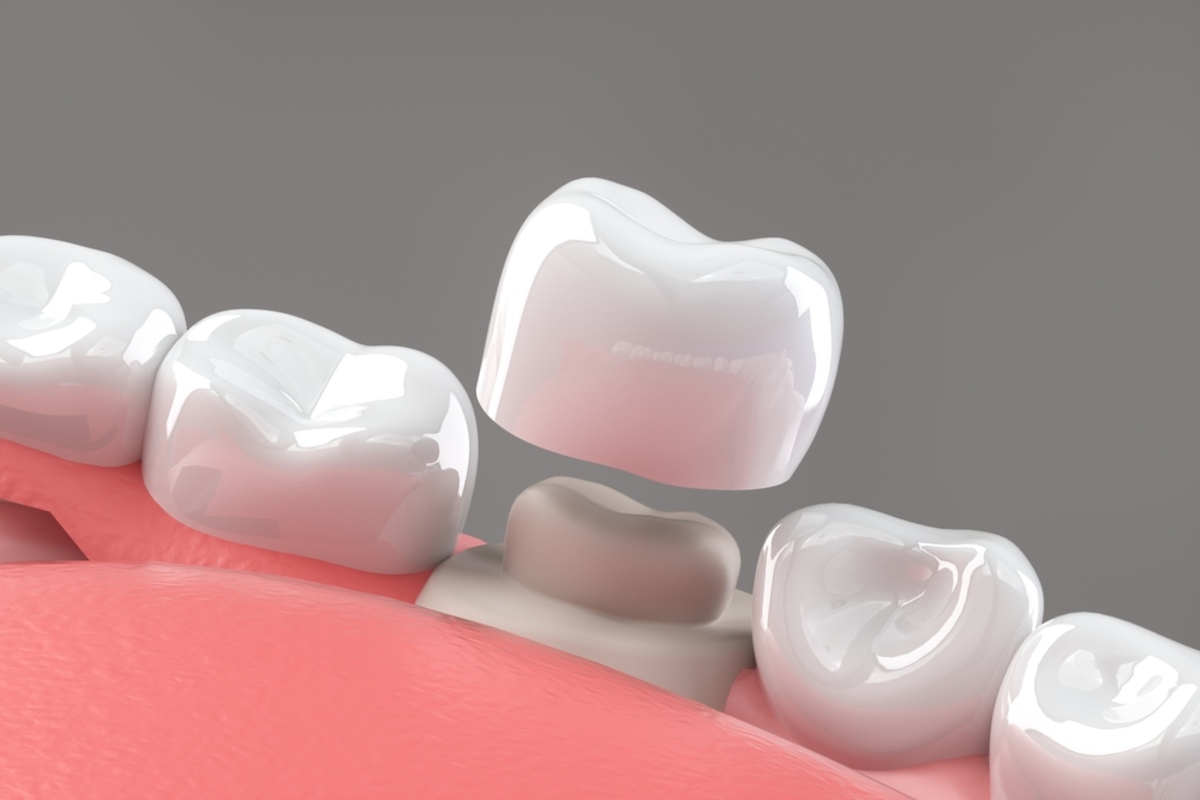
A dental crown is a custom-made cap that fits over the entire visible portion of a tooth—from the gumline up. It restores the tooth’s shape, size, strength, and appearance all at once.
Unlike a filling, which repairs a portion of the tooth, a crown surrounds the whole tooth. This makes it the right choice when damage is too extensive for a partial restoration to hold reliably.
Crowns are made from several different materials, each with its own strengths. The most common options include:
- Porcelain — closely matches the colour and appearance of natural teeth, making it ideal for front teeth
- Ceramic — similar to porcelain in aesthetics, with excellent durability
- Porcelain fused to metal — combines the natural look of porcelain with the strength of a metal base
- Full metal or gold alloy — extremely durable and often used for back teeth where strength matters most
- Zirconia — a newer, very strong material that also looks natural and is increasingly popular
Your dentist will recommend the most suitable material based on which tooth is being treated, your bite, and your aesthetic preferences.
When Is a Dental Crown Needed?
There are several situations where a crown is the most appropriate and effective solution.
A dentist in NE Calgary may recommend a crown when
- A tooth has a large cavity that is too extensive for a filling to support
- A tooth is cracked or fractured and at risk of breaking further
- A tooth has been worn down significantly from grinding
- A tooth has just had a root canal and needs protection
- A tooth is severely discoloured or misshapen, and a veneer is not sufficient
- A dental implant needs a crown placed on top to function as a complete tooth
- An existing filling is failing and has compromised too much of the tooth structure
In all of these situations, the crown acts as a protective shell—distributing the forces of biting and chewing evenly across the tooth so it does not crack or collapse.
How Does a Crown Protect a Damaged Tooth?
A damaged tooth is a vulnerable tooth. Cracks can spread. Weakened walls can fracture under normal chewing pressure. Exposed dentine can become increasingly sensitive.
A crown holds the tooth together. It prevents cracks from deepening, stops fracture lines from spreading, and covers exposed or sensitive surfaces completely. For a tooth that has had a root canal, a crown is especially important — the procedure removes the pulp that once kept the tooth hydrated and flexible, leaving it more brittle. A crown significantly extends the life of a root-canal-treated tooth.
Besides protection, crowns re-establish total function. A patient who had been reluctant to chew on the affected side of their mouth because of a defective tooth can eat normal foods again without the slightest worry after receiving a crown.
What Does the Crown Procedure Involve?
Most crown procedures are completed over two appointments.
First Appointment
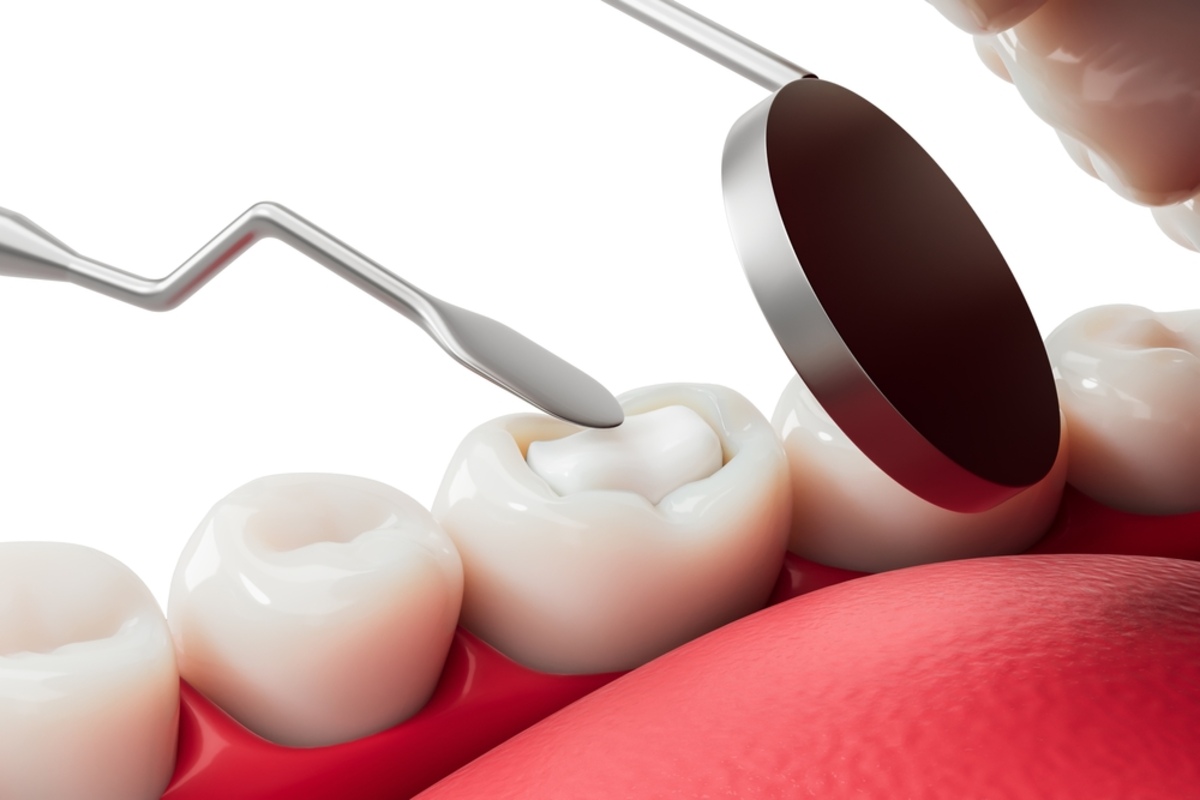
- The tooth is examined, and X-rays are taken to assess the extent of damage
- A local anesthetic is applied to numb the area
- The tooth is shaped slightly to make room for the crown to fit over it
- An impression or digital scan is taken to capture the exact shape of the prepared tooth
- A temporary crown is placed to protect the tooth while the permanent one is made at a lab
Second Appointment
- The temporary crown is removed
- The permanent crown is checked for fit, bite, and colour match
- Minor adjustments are made if needed
- The crown is permanently bonded to the tooth using dental cement
- The bite is checked one final time
The process is straightforward and well-tolerated by most patients. Mild sensitivity in the days following placement is normal and settles quickly.
How Long Does a Crown Last?
With proper care, a dental crown can last between 10 and 15 years — and often longer. The lifespan depends on several factors:
- The material the crown is made from
- Where it sits in the mouth
- How well it is maintained at home
- Whether the patient grinds their teeth
- How consistently they attend dental check-ups
Crowns do not last forever, but they are one of the most durable and reliable restorations in dentistry when looked after properly.
Caring for Your Crown
A crown does not need special treatment — just consistent, good oral hygiene.
- Brush twice a day with a soft-bristle toothbrush
- Floss daily, paying attention to the area where the crown meets the gumline
- Avoid chewing on very hard foods like ice or hard sweets
- Wear a nightguard if you grind your teeth during sleep
- Attend regular check-ups so your dentist can monitor the crown’s condition
The tooth underneath the crown can still develop decay if the gumline area is not kept clean. This is why brushing and flossing around the crown is just as important as caring for any natural tooth.
Finding the Right Care for Your Smile
If you have been told you need a crown, or if you have a damaged tooth that has been bothering you, getting it assessed sooner rather than later makes a significant difference. The longer a damaged tooth is left, the more complex — and costly — the treatment tends to become.
Patients searching for dental crowns near you should look for a dental team that takes the time to explain their options clearly and makes the process as comfortable as possible. A well-placed crown, done properly from the start, is one of the best investments you can make in your long-term oral health.
A dentist near you who offers comprehensive restorative care will assess your tooth thoroughly, recommend the right type of crown for your situation, and ensure the fit and function are exactly right before the permanent restoration is placed.
Protect Your Smile With Confidence — Visit Dr. Brent MacDonald Dentistry
A damaged tooth does not have to mean the end of a healthy smile. With the right restoration and the right team, it can be the beginning of long-term protection and comfort.
Our goal at Dr. Brent MacDonald Dentistry is to provide you with an individualized and meticulous approach to your dental care needs. It doesn’t matter if this is your very first time getting a crown or if you need to replace a crown that was placed quite a while ago—we are ready to take care of it all and help you throughout the process.
Schedule an appointment today and let us work on strengthening your smile!
Frequently Asked Questions
Q1: Is having a dental crown painful?
The tooth will be numbed using a local anesthetic, so most patients will feel pressure on the tooth while treatment is carried out. Any sensitivity remaining after placement of the crown should clear up within a week.
Q2: Can a crown be placed on any tooth?
Crowns can be placed on most teeth, but the tooth must have enough healthy structure remaining to support it. If too much of the tooth is missing, a build-up or post may be needed before the crown can be fitted.
Q3: Will my crown look like a natural tooth?
Modern porcelain and ceramic crowns are designed to closely match the colour, shape, and texture of surrounding teeth. Most people cannot tell the difference between a well-made crown and a natural tooth.
Q4: What happens if I delay getting a crown my dentist has recommended?
Delaying a recommended crown allows the underlying damage to worsen. A cracked tooth can fracture completely. A weakened tooth after a root canal can break. What could have been a straightforward crown placement may become a more complex procedure—or result in tooth loss.